Brand Website Design: 6 Decisions from Product Value to Checkout
What the first screen says, where to add interaction, who gets the colour, scenes versus specs, and how the experience reaches checkout. The design method behind the Foundax case library, in six decisions.
A template can make a website look good quickly. What makes visitors remember a brand and decide to buy is usually a handful of design decisions made around the product itself: what the first screen says, where interaction is worth it, who gets the colour, whether selling points come from specs or scenes, and how the experience connects to the cart or an inquiry.
This guide sets out the design method behind the Foundax case library. Each decision comes with a case you can open and try. Full design breakdowns by industry are collected at the end of this page as they are published.
1. Find the moment your product shows its value
Every kind of product has a moment when its value becomes visible. Show that moment on the first screen instead of a brand image that could sit on any website.
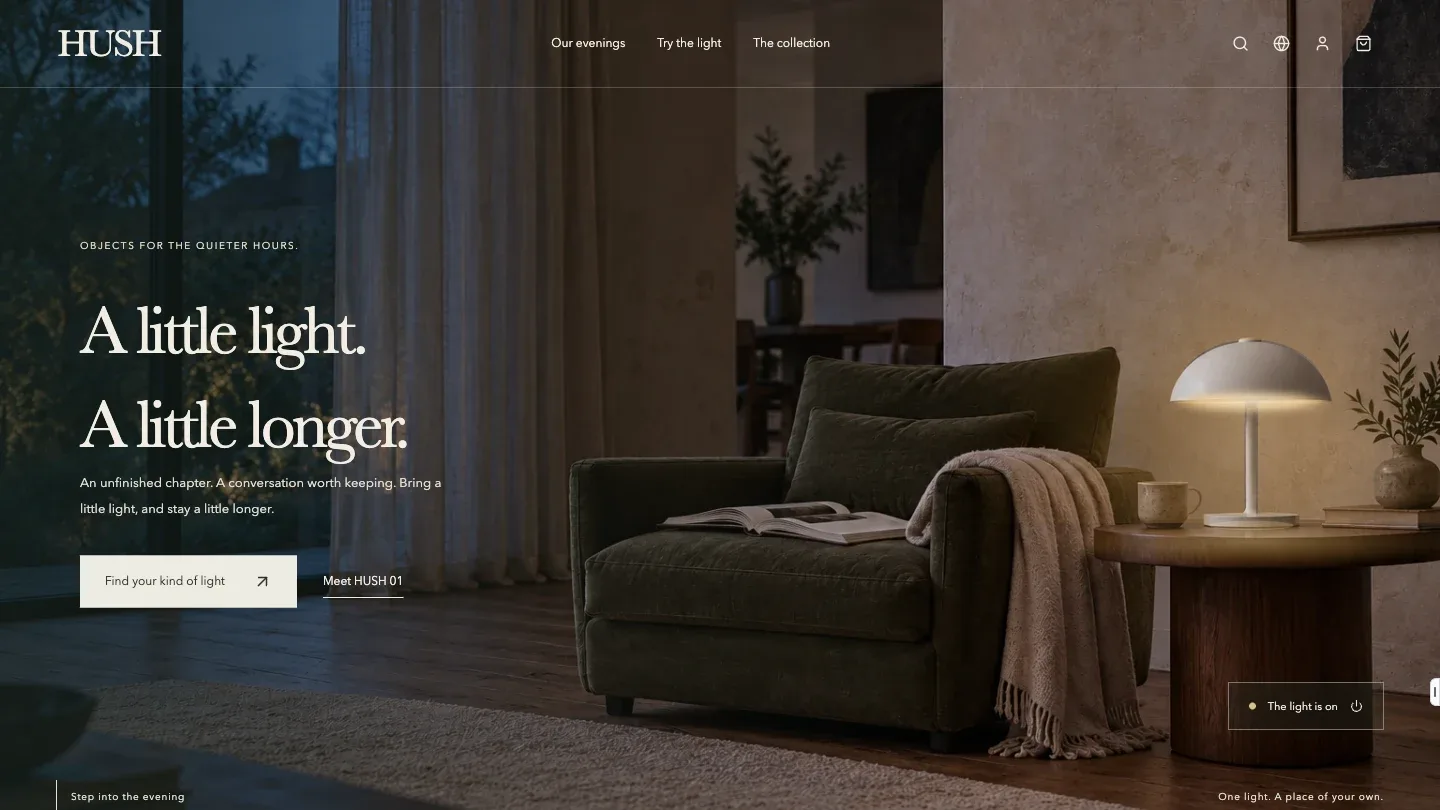
Lighting
After switch-on
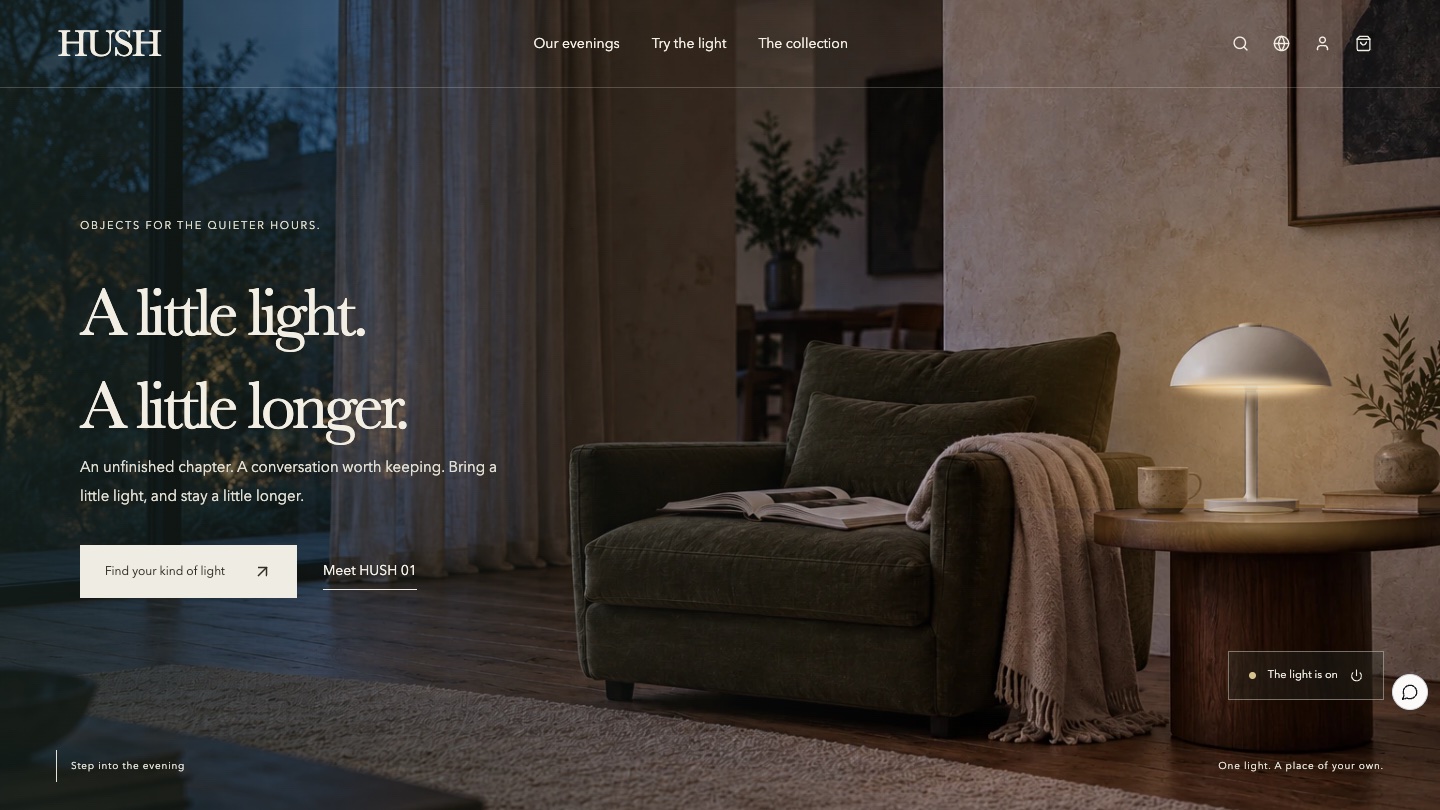
A lamp's value appears only once it is lit. The first screen of HUSH is a room photographed with the lamp off, and visitors switch it on themselves.
Fragrance
The image of a scent
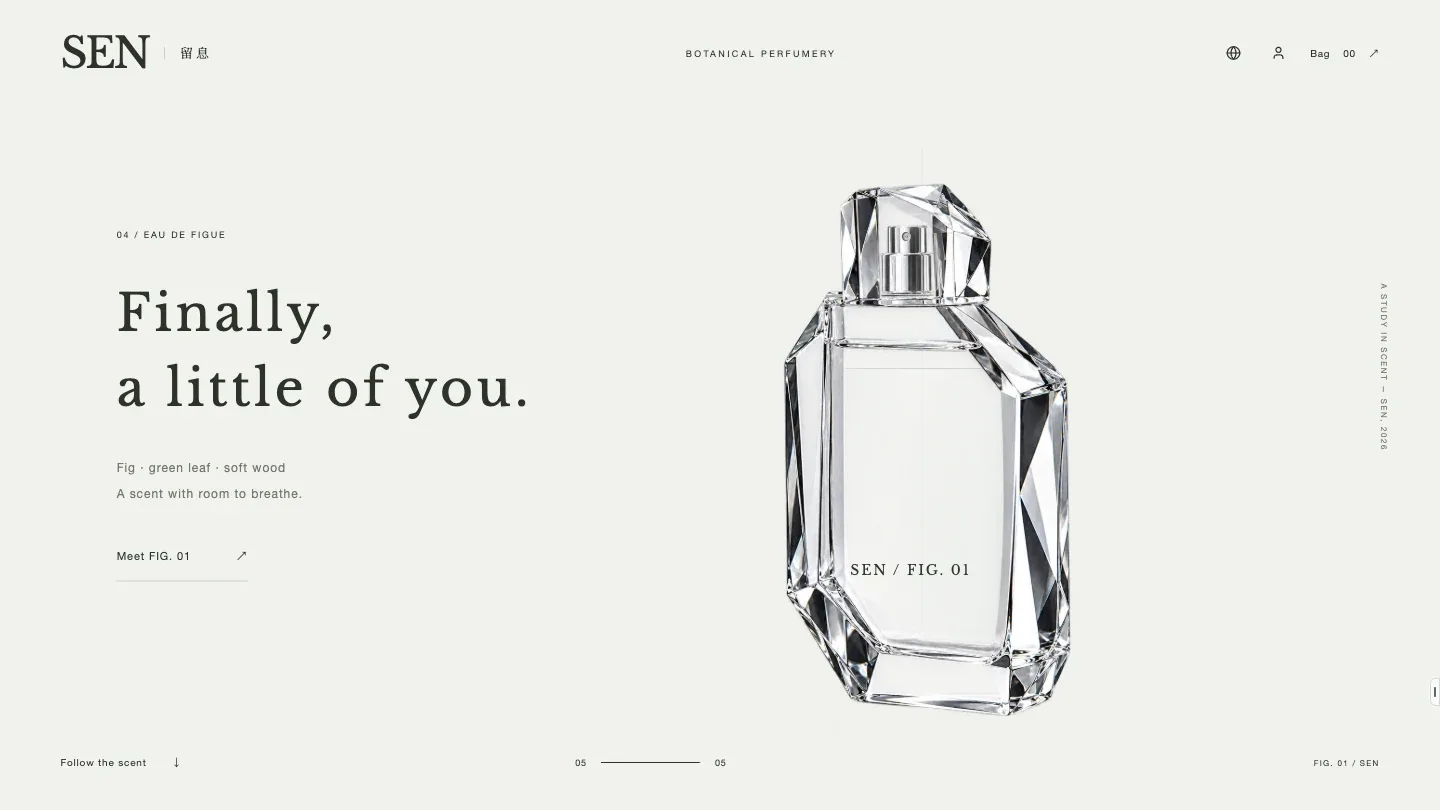
A scent cannot travel through a screen. SEN turns a perfume into pictures: a fig, a drop, a splash and cut glass.
Keyboards
Structure and feel
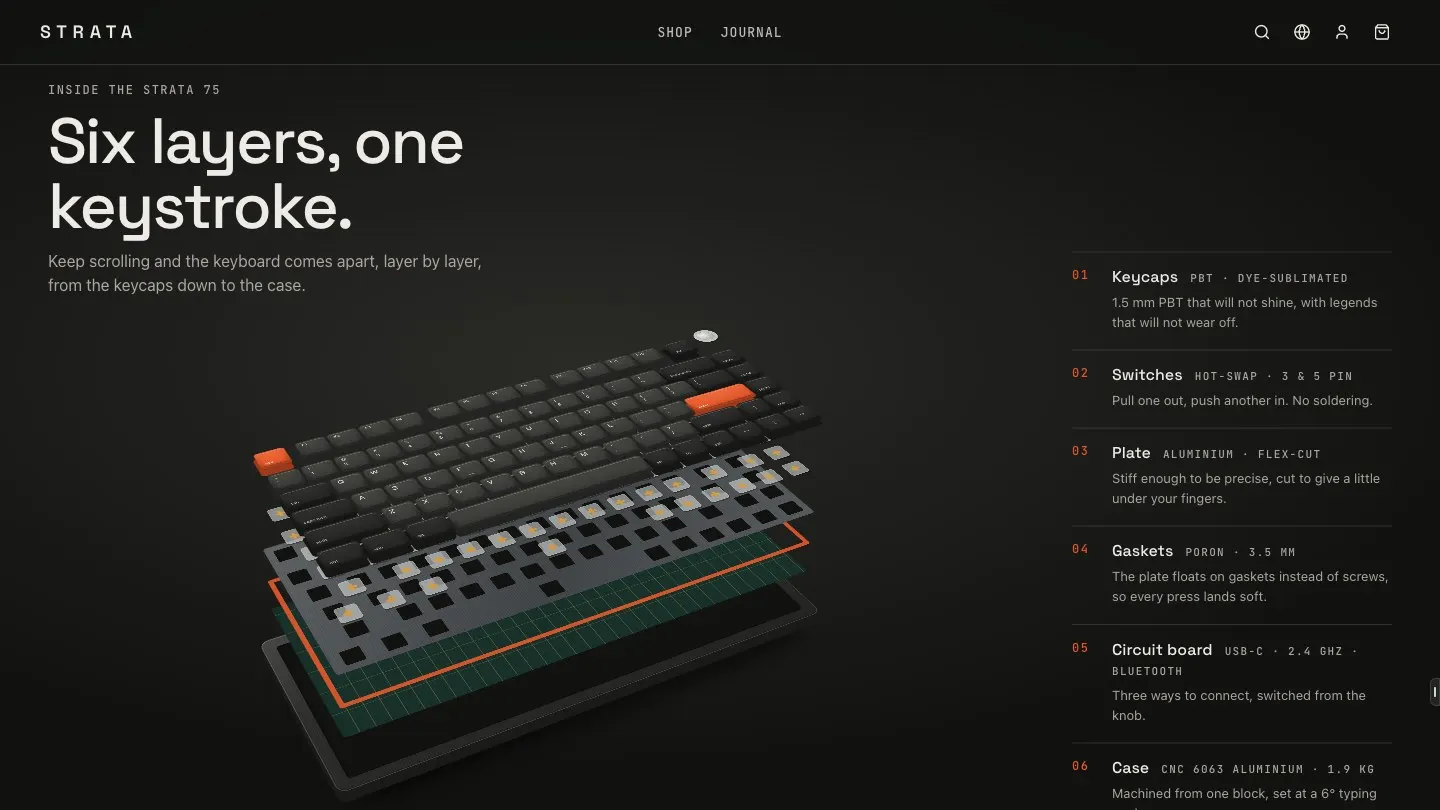
STRATA takes a keyboard apart layer by layer, then lets visitors type, so the feel of the keys becomes something they can try.
Industrial materials
Specs and delivery
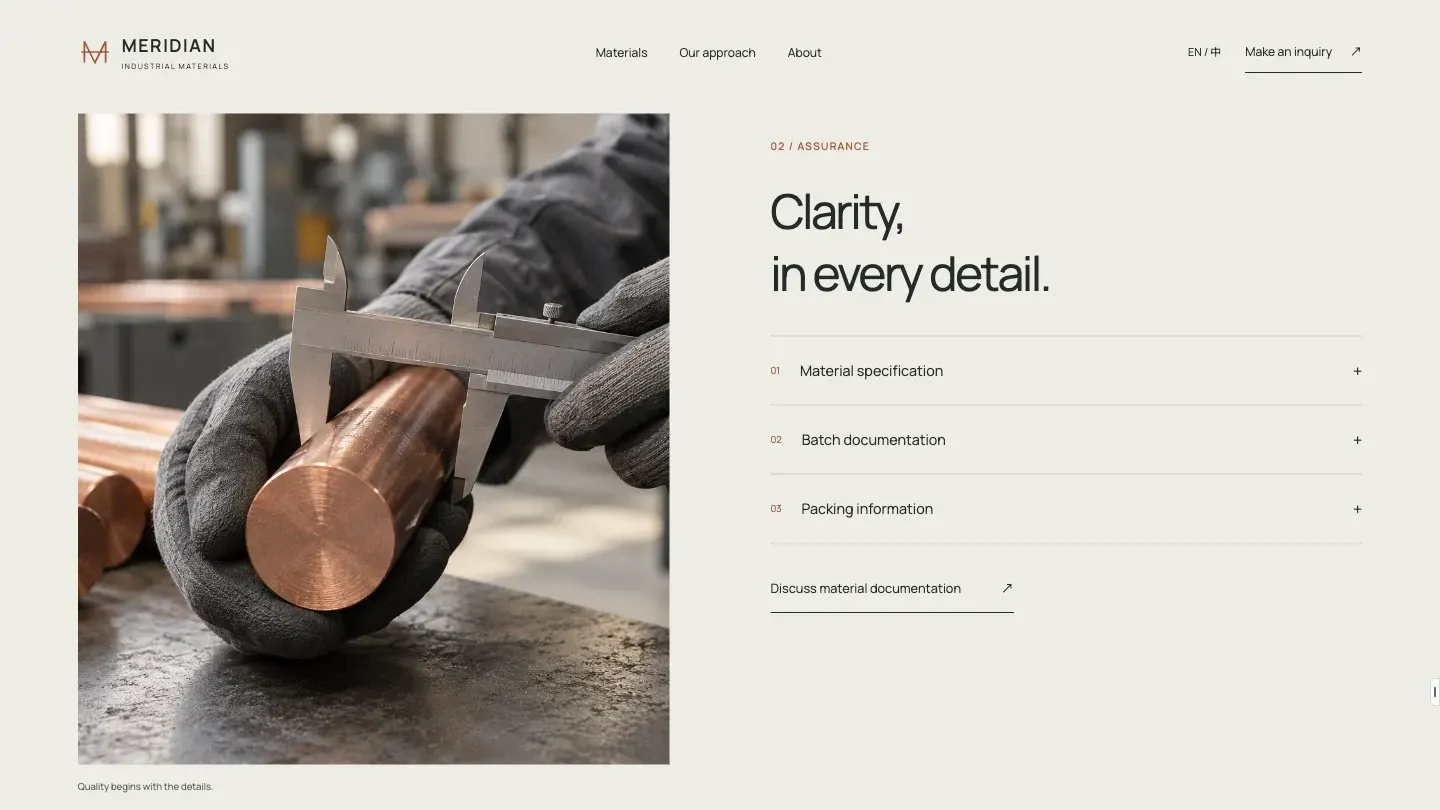
Buyers care about materials, quality and lead times. MERIDIAN puts that information before the inquiry form.
The number of interactions gets out of hand quickly. A better starting question is which single interaction best proves the product's value. The shade selector on Tinted Hours, the cookie that splits on HALF and the floor plan linked to photos on INTERVAL each serve one purpose. Once you have chosen yours, keep everything else calm so the signature moment stands out.
3. Make the visual language serve the product
Colour and type are not separate brand decoration. Their job is to make the product stand out.
HUSH: limestone and grey olive keep the page muted and only the lamplight is warm, so the product becomes the brightest thing on the page.
PACEFORM: neon yellow and oversized headlines communicate speed directly.
SEN: generous white space and a slow scroll rhythm match the restraint of the fragrance.
FLOOF DAYS: hand-drawn dog doodles give a pet supplies store a handmade warmth.
Specs say what something is. Scenes say what it does for me. FOLDWILD takes one backpack through city streets, trails and the coast, so its storage shows up naturally in use. YEXU replaces adjectives about flavour with hot and cold brewing recipes and a timer.
Lifestyle images also need to be real and at true scale. In a 2017 usability study, Baymard Institute found that 42% of users try to judge a product's overall size from its product images, so a scene that enlarges the product until it looks unreal can mislead shoppers.
5. Connect the experience to checkout or an inquiry
However good a brand page is, the experience breaks if "Add to bag" feels like landing on a different website. Retail brands need the shop section, bag, checkout and after-sales pages to keep the same visual language. B2B and service brands such as MERIDIAN should place the inquiry form after the key information is clear.
Every Foundax case uses the platform's native product, order, discount and form features. The design only has to keep those pages consistent. See Foundax features for the details.
6. Keep demos and specs honest
Label an illustration as an illustration, do not invent parts of a product that photos cannot show, and take specs from real product data. Honesty does not weaken a design. It makes visitors more willing to trust everything else on the page.
Case design breakdowns
Full breakdowns by industry, covering palette, typography, storyboard and the path to checkout:
How is a brand website different from a standard ecommerce template?
A template gives you a page that can sell. A brand website answers why someone should choose you. The difference is rarely the number of pages. It is what the first screen says, where interaction happens, how the visuals make the product stand out, and whether the experience carries through to the order.
With a limited budget, where should design effort go first?
Start with the first screen and how the product is presented: find the moment the product shows its value and explain it with real scenes and images at true scale. Interactions and motion can come later.
Are these cases real brands?
No. The brands in the case library are fictional brands created by the Foundax team to show design approaches for different industries. Shopping and orders in the cases are a demo. Nothing is charged or shipped.
Can I start my own website from a case?
Yes. In any case, choose "Start with this template". After signing up, a website is created from that case, ready for your own products, photos and brand content.