GEO vs SEO สำหรับแบรนด์ ecommerce: อะไรเปลี่ยนเมื่อการค้นหากลายเป็นชั้นคำตอบ
GEO ไม่ได้มาแทน SEO แต่ทำให้มาตรฐานของหลักฐานสูงขึ้น หน้า product, content, feed, structured data และ analytics ต้องรองรับทั้ง ranking และการสร้างคำตอบ.
อ่านเพิ่มเติม
โมเดลปฏิบัติสำหรับทีมอีคอมเมิร์ซที่รวมรายงาน generative AI ของ Search Console, Merchant Center insights, first-party analytics, manual checks และการทดลองข้อมูลสินค้า
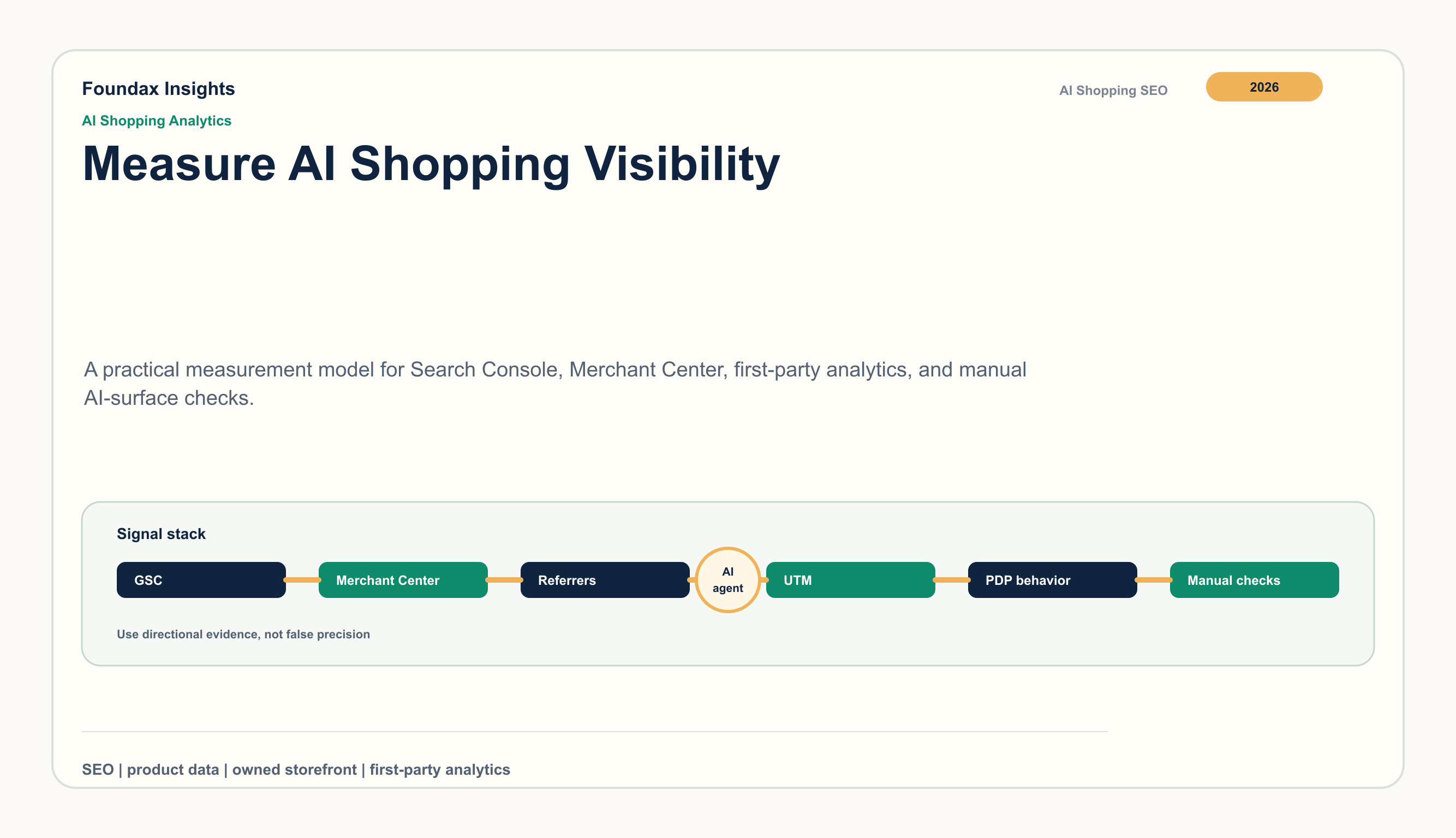
AI shopping visibility กลายเป็นงานประจำของทีม ecommerce แล้ว สินค้าอาจปรากฏใน Google AI Mode, AI Overviews, Gemini, ChatGPT Search, Copilot, marketplace assistant หรือประสบการณ์ retail media ที่ใช้ AI แต่แต่ละพื้นผิวให้ข้อมูลไม่เท่ากัน บางแห่งมีรายงานทางการ บางแห่งเหลือเพียงร่องรอยทางอ้อมใน referrer, brand search, พฤติกรรมบน PDP หรือแบบสอบถามหลังซื้อ
โมเดลที่ดีต้องแยกหลักฐานแข็งแรงออกจากสัญญาณเชิงทิศทาง Search Console, Merchant Center, first-party analytics และ manual AI-surface checks ตอบคำถามคนละแบบ คุณค่าจะเกิดขึ้นเมื่ออ่านทุกชั้นร่วมกันและผูกกับการทดลอง product data ที่ชัดเจน
ชั้นแรกคือ eligibility ทางเทคนิค หน้าเว็บต้อง crawl ได้ index ได้ มีสิทธิ์แสดง snippet มี internal links และมีข้อมูลสินค้าที่ผู้ใช้มองเห็น Google Search Central ระบุว่า SEO fundamentals ยังใช้ได้กับ AI Overviews และ AI Mode และไม่จำเป็นต้องสร้างไฟล์ AI พิเศษหรือ schema พิเศษ
ชั้นที่สองคือ Search Console เดือนมิถุนายน 2026 Google เปิดตัว Generative AI performance reports ให้บาง property รายงาน Search แสดง impressions ใน generative AI features ของ Google Search รวม AI Overviews และ AI Mode พร้อมมิติ pages, countries, devices และ dates นี่คือชั้น visibility ไม่ใช่ระบบ attribution ecommerce แบบครบถ้วน
ชั้นที่สามคือ Merchant Center วันที่ 27 พฤษภาคม 2026 Google ประกาศ AI performance insights สำหรับประสบการณ์ shopping ที่ใช้ AI รายงานครอบคลุม share of voice, shopping funnel performance, product term insights และ product attribute insights โดย rollout เริ่มจากสหรัฐฯ แคนาดา ออสเตรเลีย อินเดีย และนิวซีแลนด์
Performance report มาตรฐานยังเป็น baseline ของ Web search ที่กว้างกว่า หากมี Generative AI report จะช่วยแยกดู impressions จาก generative features ที่รองรับได้ ขั้นแรกควรตรวจว่า property มีสิทธิ์หรือไม่ ถ้ายังไม่มี ให้บันทึกช่องว่างนี้และใช้ Web search trends, landing pages และ query families ต่อไป
ข้อจำกัดสำคัญคือรายงานนี้เน้น impressions ไม่ได้ให้ prompt, session, click หรือ revenue ครบทั้งหมด Search Labs experiments ไม่ถูกรวม และข้อจำกัดปกติของ Search Console ยังคงอยู่ คำถามรายสัปดาห์คือหน้าสำคัญได้ visibility เพิ่มขึ้นใน generative features หรือไม่ และการเปลี่ยนแปลงสอดคล้องกับ product data หรือ content ที่ปรับไปหรือไม่
Merchant Center สำคัญเพราะ shopping discovery ขึ้นกับความชัดเจนของ product facts Product term insights อาจบอกภาษาที่ผู้ซื้อใช้ถาม Product attribute insights อาจชี้ข้อมูลที่ขาด เช่น สี วัสดุ style ขนาด compatibility shipping หรือ returns
ควรจัดลำดับตามมูลค่าทางธุรกิจ เริ่มจากสินค้าที่มี revenue สูง margin ดี มี search demand อยู่แล้ว และหน้าที่ attribute มีผลต่อความมั่นใจของผู้ซื้อ หากยังไม่มี AI insights ให้ใช้ diagnostics, feed status, approval status, attribute coverage, คุณภาพ title-description, shipping-return setup และ landing page consistency เป็น proxy signal
รายงานภายนอกไม่ค่อยอธิบายสิ่งที่เกิดหลังคลิก first-party analytics ควรเก็บ source, medium, referrer, landing page, product page, add-to-cart, checkout start, order, currency, market, device, repeat visit และแบบสอบถามหลังซื้อ การค้นพบผ่าน AI อาจปรากฏเป็น direct, brand search, referral ทั่วไป หรือการกลับมาในภายหลัง
Foundax รองรับ storefront analytics, source breakdown, page และ funnel analysis, product analytics และ analytics session ที่เชื่อมกับ order ทีมจึงเปรียบเทียบพฤติกรรมจาก AI-adjacent referrals, brand search, content page, PDP และ direct return ได้ คำถามหลักคือผู้เข้าชมพบ product facts ที่ชัดเจนและเดินต่อไป cart กับ checkout หรือไม่
manual checks ควรทำเหมือนงานวิจัยเชิงคุณภาพ สร้าง prompt set คงที่สำหรับ category, problem, comparison, budget, compatibility, shipping และ return บันทึกว่า brand ปรากฏหรือไม่ product ปรากฏหรือไม่ attribute ใดถูกกล่าวถึง source link ใดแสดง และ fact ใดผิดหรือขาด
การวัดผลมีค่าก็ต่อเมื่อกลายเป็น experiment เลือก product family หนึ่ง buyer problem หนึ่ง field group หนึ่ง และ review window หนึ่ง ก่อนเปลี่ยนให้บันทึก Search Console, Merchant Center, PDP engagement และ prompt notes หลังเปลี่ยนให้อ่านชั้นเดิมอีกครั้ง หลายสัญญาณที่ไปทิศเดียวกันแข็งแรงกว่ากราฟเดียว
Foundax รวม input ที่ควบคุมได้ไว้ใน workflow เดียว ได้แก่ product records, SEO metadata, Product JSON-LD preview, sitemap, Search Console verification, sitemap submission, Merchant Center preflight, multilingual content, Content Studio publishing และ first-party analytics AI shopping visibility มักไม่ได้ขึ้นกับ field เดียว แต่ขึ้นกับความสอดคล้องของ page, structured data, feed-page alignment, policy content และพฤติกรรมหลังคลิก
ขั้นตอนปฏิบัติคือเลือก product set ทำความสะอาด product facts เผยแพร่ PDP และ support content ตรวจ structured data กับ Google workflows ส่ง sitemap เมื่อจำเป็น แล้วติดตาม Search Console, Merchant Center และ first-party behavior
ได้เมื่อ property มี Generative AI performance report หากยังไม่มี ให้ใช้ Performance report มาตรฐานเป็น baseline ของ Web search
Google ระบุ rollout แบบค่อยเป็นค่อยไปในบางประเทศ หากยังไม่มีสิทธิ์ ให้ใช้ diagnostics, feed health, approval status และ attribute completeness
ไม่ได้ เหมาะกับการเปรียบเทียบ cohort, landing page, PDP behavior, funnel movement, repeat visit และ survey response มากกว่า
รายสัปดาห์เพียงพอสำหรับ product set ที่ใช้งานอยู่ รายวันเหมาะเมื่อมี launch, migration, feed issue หรือ experiment ใหญ่
material, size, compatibility, price, availability, shipping, returns, care instructions, use cases และ PDP FAQ